When people picture a food pantry, they often imagine shelves lined with donated food waiting for families to come through the door. While that image isn’t entirely wrong, it tells only a small part of the story.
Running a food pantry is a complex, labor-intensive operation that requires planning, coordination, inventory management, food safety practices, and hundreds of volunteer hours every month.
At Lancaster County Chooses Love, our pantry team works five days every week to support two distribution days totaling just five and a half hours of public service. During those few hours, we serve an average of 150+ households every week.
Stocking the Shelves: Where our food comes from
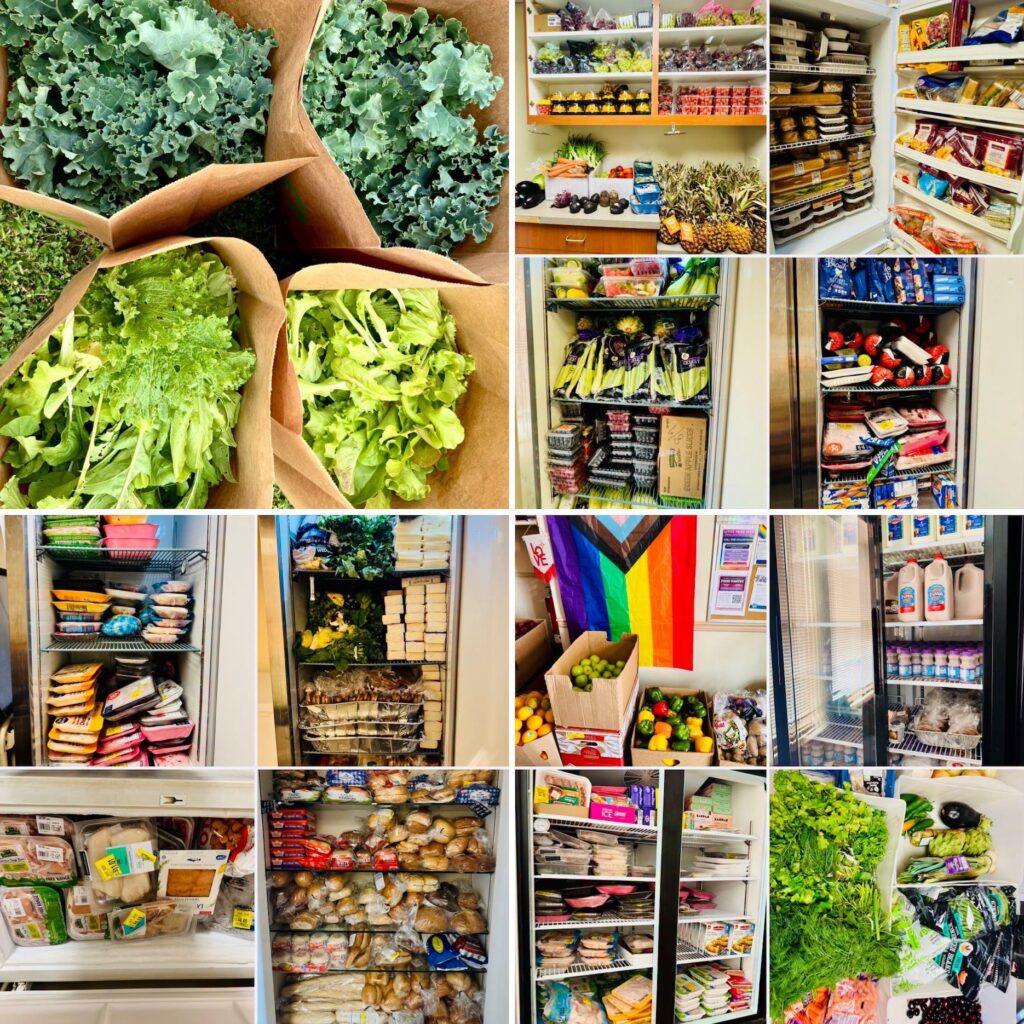
A significant portion of our food is purchased through the Central Pennsylvania Food Bank (CPFB), and we do our best to stretch every dollar we spend as far as possible. However, that money does not go as far as it did even a year ago. Rising costs mean we have to make difficult choices about what we can afford to purchase. And what we cannot.
Availability is another challenge. Rather than being able to order from a standard catalog, we build each week’s pantry order around what is actually available.
Some weeks we can purchase fresh fruits and vegetables. Other weeks, there simply aren’t any available
Occasionally, foods we routinely order remain available only at prices that make purchasing them impractical.
These fluctuations reflect the broader challenges facing the charitable food system today. The Central Pennsylvania Food Bank works hard to provide as much food as possible to its network of partner agencies, but increasing demand, higher costs, and changing supply mean that not every item is consistently available.
Fortunately, food rescue partnerships allow us to fill in some of the gaps. Each week, we collect donated food from multiple retailers, preventing thousands of pounds of perfectly good food from going to waste. Some stores donate only a few pounds during a pickup. Others regularly provide between 1,500 and 1,800 pounds of food in a single delivery.
The challenge is that we never know exactly what we’ll receive.
One week might bring pallets of fresh strawberries. Another might be overflowing with lettuce, tomatoes, peppers, or apples. We frequently receive large quantities of breads, pastries, and baked goods, while other items appear only occasionally.
This unpredictability means what is available on our shelves isn’t always under our control.
Stocking the Shelves: How we distribute
When our food delivery from CPFB arrives on Wednesdays, the shipment is carefully divided before distribution begins. Approximately half is placed on pantry shelves for Wednesday’s clients, while the remainder is held back to ensure Saturday visitors have access to the same essential foods.
Food safety and quality are always top priorities. We follow a strict first-in, first-out rotation system, ensuring that:
- Items with earlier expiration dates are moved forward into the distribution area
- Newly received or longer-lasting items are placed in storage until it is their turn
Because of this system, and the steady demand from our community, our stockrooms rarely hold items for more than a couple of weeks. In fact, a significant portion of the food we receive is distributed within just seven days.
Perishable donations require even more coordination.
When fresh produce is abundant during the spring, summer, and fall growing seasons, we intentionally reduce, but never eliminate, the amount of canned vegetables we purchase and distribute. Fresh food offers exceptional nutritional value, and adjusting our purchasing allows us to use limited dollars more effectively while still ensuring families receive shelf-stable options. This is a core element of how we implement on our Healthy Pantry commitment. A commitment that has, since January, resulted in our Healthy Pantry score rising from 51.8% to 87.6%.
More Than Shelves of Food
A successful food pantry is more than just food on shelves. It is a carefully managed system balancing purchased inventory, rescued food, refrigeration, storage capacity, nutrition, freshness, and the unpredictable nature of donations.
Every week is different.
Every delivery requires decisions about how to most equitably distribute the food available.
Every week relies on volunteers who move thousands of pounds of food from delivery vehicles to pantry shelves and ultimately into the homes of families throughout our community.
While our doors are open for just a few hours each week, the work that our neighbors see represents days of planning, preparation, and behind the scenes work. It is a coordinated effort powered by generous donors, dedicated volunteers, community partnerships, and a shared commitment to ensuring that no one in our community has to face hunger alone.